| 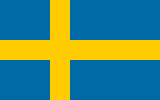 Sweden Sweden | | |
| Voter turnout in the national election | 84.2% (2022)
[5/38countries] | | |
| % of those who think that voting in elections is very important to be a good citizen | 91.6% (2022)
[2/17countries] | | |
| Extent to which people think that it is important, in order to be a good citizen, to vote in elections | 6.33 (2014)
[5/26countries] | | |
| % of those who think that voting gives people some say about how the government runs things | 81.1% (2019)
[3/21countries] | | |
| % of those who think that it is important that honest elections are held regularly | 97.8% (2019)
[2/21countries] | | |
| % of those who think that the last national election was fair regarding the opportunities of the candidates and parties to campaign | 71.9% (2014)
[3/26countries] | | |
| % of those who think that referendums are a good way to decide important political questions | 66.9% (2014)
[12/26countries] | | |
| % of those who think that it is important that people can say what they want without state/ government censorship | 96.5% (2019)
[8/21countries] | | |
| % of those who think that giving people more say is the most important aim of the country out of maintaining national order/ giving people more say/ fighting rising prices/ protecting freedom of speech | 11.3% (2020)
[20/20countries] | | |
| % of those who think that protecting freedom of speech is the most important aim of the country out of maintaining national order/ giving people more say/ fighting rising prices/ protecting freedom of speech | 19.9% (2020)
[6/20countries] | | |
| % of those who are satisfied with the way democracy is working | 78.2% (2023)
[1/16countries] | | |
| % of those who are proud of their country in the way democracy works | 80.9% (2013)
[4/26countries] | | |
| Extent to which people think democracy works well in their country today | 7.10 (2014)
[4/26countries] | | |
| Extent to which people think democracy worked well in their country 10 years ago | 7.43 (2014)
[4/26countries] | | |
| Extent to which people think democracy will work well in their country 10 years from now | 6.78 (2014)
[4/26countries] | | |
| % of those who are optimistic about the future of their country's political system | 61.9% (2019)
[1/21countries] | | |
| % of those who think that their country's political system needs major reform | 28.5% (2021)
[14/15countries] | | |
| % of those who think that the state is run for the benefit of all the people | 75.6% (2019)
[4/21countries] | | |
| Extent to which people think it important that all citizens have an adequate standard of living | 6.52 (2014)
[9/26countries] | | |
| Extent to which people think it important that government authorities respect and protect the rights of minorities | 6.32 (2014)
[5/26countries] | | |
| Extent to which people think it important that people be given more opportunities to participate in public decision-making | 5.81 (2014)
[16/26countries] | | |
| Extent to which people think it important that citizens may engage in acts of civil disobedience when they oppose government actions | 4.77 (2014)
[12/26countries] | | |
| Extent to which people think it important that governments respect democratic rights whatever the circumstances | 6.63 (2014)
[2/26countries] | | |
| Extent to which people think it important that people convicted of serious crimes lose their citizen rights | 3.93 (2014)
[26/26countries] | | |
| Extent to which people think it important that long-term residents of a country, who are not citizens, have the right to vote in that country�fs national elections | 3.32 (2014)
[22/26countries] | | |
| Extent to which people think it important that citizens have the right not to vote | 5.61 (2014)
[4/26countries] | | |
| Extent to which people think it important that health care be provided for everyone | 6.79 (2014)
[3/26countries] | | |
| % of those who think that it is important that human rights organizations are allowed to operate without interference | 93.5% (2019)
[8/21countries] | | |
| % of those who think that a democratic system where citizens, not elected officials, vote directly on major national issues to decide what becomes law is good | 43.6% (2023)
[16/16countries] | | |
| % of those who think that a democratic system where representatives elected by citizens decide what becomes law is good | 90.2% (2023)
[1/16countries] | | |
| % of those who think that a system where a strong leader can make decisions without interference from parliament or the courts | 4.7% (2023)
[16/16countries] | | |
| % of those who think that a system where experts, not elected officials, make decisions | 52.7% (2023)
[11/16countries] | | |
| % of those who think that a system where the military rules the country | 4.5% (2023)
[15/16countries] | | |